
Why Voice of Citizen Matters in Policy: Lessons from Australia’s Under 16s Social Media Ban
On 10 December 2025, Australia’s under-16s social media ban came into effect. The world-first policy prohibits children under 16 from holding accounts on major platforms such as Facebook, Instagram, TikTok and YouTube, which are now treated as age-restricted social media services.
The announcement triggered immediate debate about enforcement, privacy, platform responsibility and unintended effects, with some coverage framing it as a 'grand social experiment'. In short, the implementation started generating feedback in public, at speed, and in places that don’t show up in formal consultation.
Policy rollout unfolds in real time. Public sentiment, behavioural shifts and patterns of engagement expose implementation gaps and interpretive ambiguity. In high-profile reforms, misunderstanding can escalate rapidly into compliance, reputational and operational risk. Early visibility enables faster course correction and stronger implementation outcomes.
This article draws on open-source sentiment analysis and desk research to examine public discourse before, during and after the ban’s launch. The findings highlight emerging themes and offer insight into how adaptive policymaking can respond to live implementation signals.

Pre-Launch: What Traditional VOC Suggested and What It Missed
Ahead of commencement, conventional Voice of Citizen (VOC) inputs pointed to broad support. Polling indicated strong approval for restricting children’s access to social media, alongside growing concern about online harms and mental health impacts.
However, within the prevailing supportive sentiment, several tensions were already present:
-
Many Australians supported the intent of the ban but were unclear on how it would work in practice, particularly around age verification and enforcement.
-
Public commentary raised concerns about whether age verification technologies would be effective, privacy-preserving or easily bypassed.
-
Child safety and mental health concerns sat alongside anxiety about autonomy, fairness and government outreach.
These inputs helped justify the reform. They did not, on their own, explain how the public would interpret obligations once the policy went live.
Where social listening fits
Polling and structured consultation capture views through defined questions, channels and timeframes. Social listening captures unprompted reactions in everyday language, often in peer-to-peer spaces where people are working out what a policy means for them.
That difference matters. Many citizens will never complete a survey or lodge a submission. They will ask questions on Reddit, debate in Facebook groups or react to news coverage on X. Social listening surfaces:
recurring misunderstandings,
points of friction at the moment people attempt to comply,
narratives that may weaken legitimacy or encourage avoidance.
Used properly, it does not replace formal consultation or evaluation. It fills the gap between reporting cycles, when implementation is live and sentiment is still forming.
Pre-launch insights from social listening
In the days leading up to commencement, online discussion reflected a mix of neutrality, frustration and concern. Rather than a simple “for or against” split, the dominant tone was uncertainty about application.
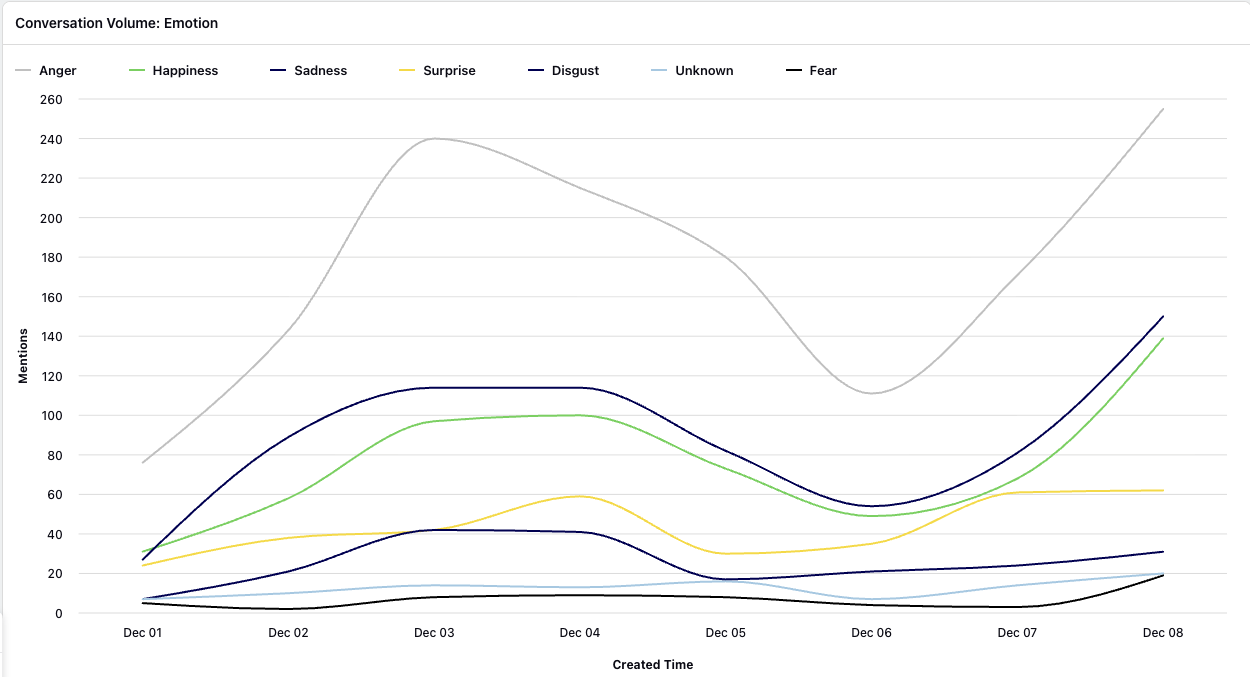
Two patterns stood out.
First, many people expressed support while simultaneously questioning enforceability. That gap between intent and understanding points to a practical communications challenge: people wanted operational detail, not just legislative rationale.

Second, privacy and edge cases featured heavily. Comparisons to offline ID checks, concerns about data retention and questions about vulnerable groups suggested that safeguards and exemptions needed clearer explanation before rollout.

These discussions largely occurred outside formal channels. That is precisely why they are useful: they show where everyday interpretation is drifting before implementation begins.
During Launch: Interpreting Real-Time Feedback
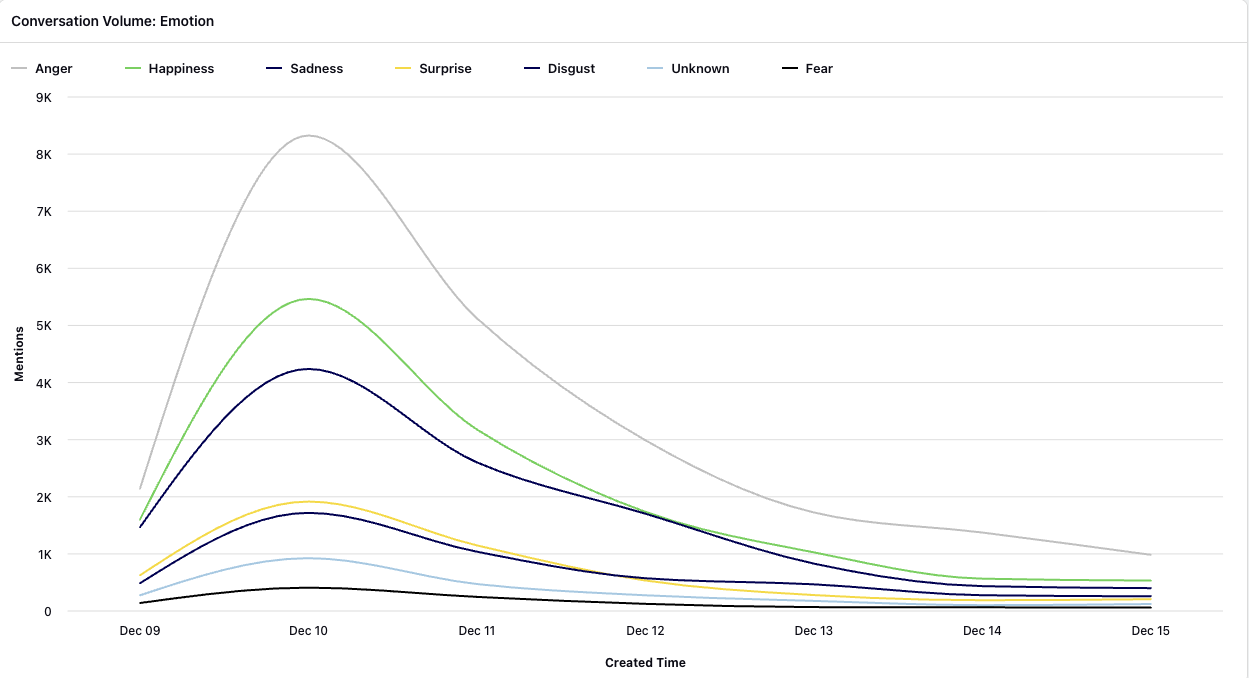
Once the ban took effect, conversation volume increased sharply. Discussion was driven largely by Reddit, followed by news coverage and commentary on X.
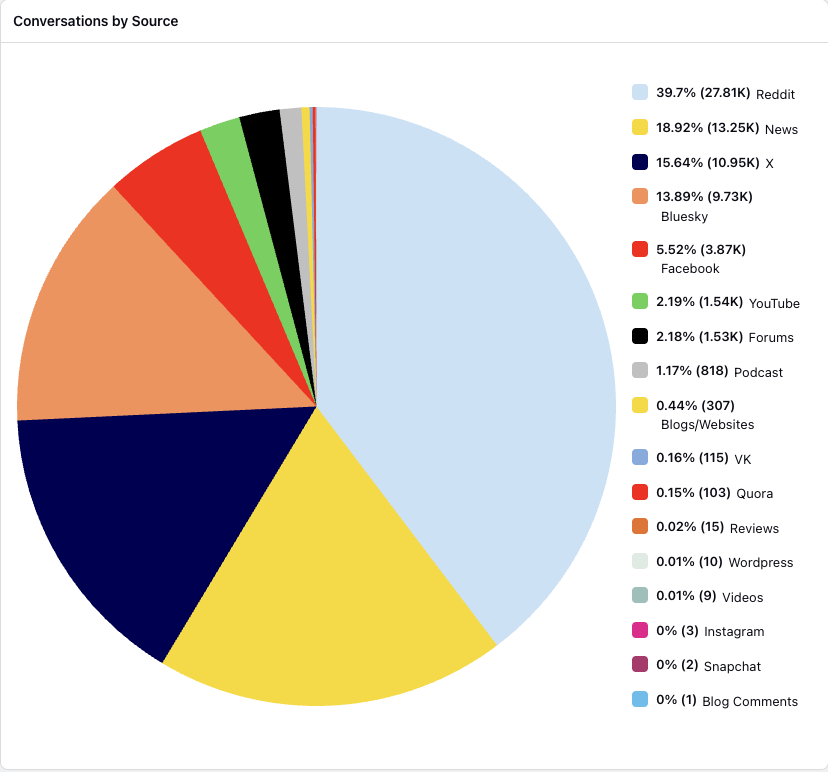
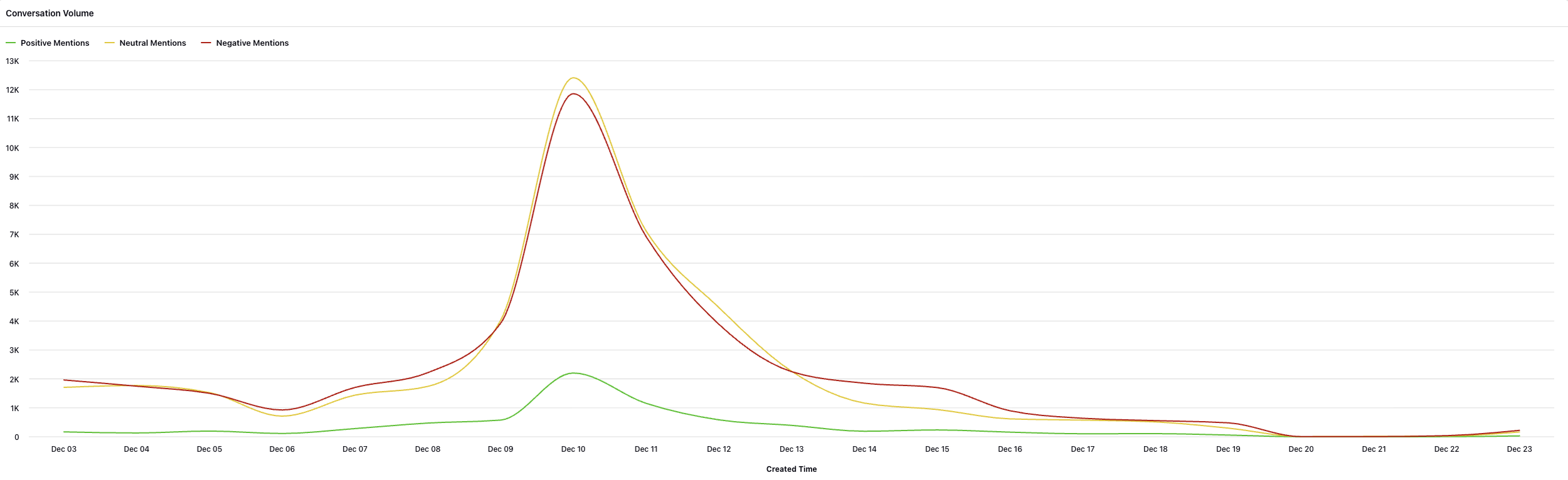
Sentiment remained mixed. Anger was prominent, alongside expressions of relief and cautious optimism.
Common themes focused on parents, enforcement responsibility, verification processes and mental health impacts.
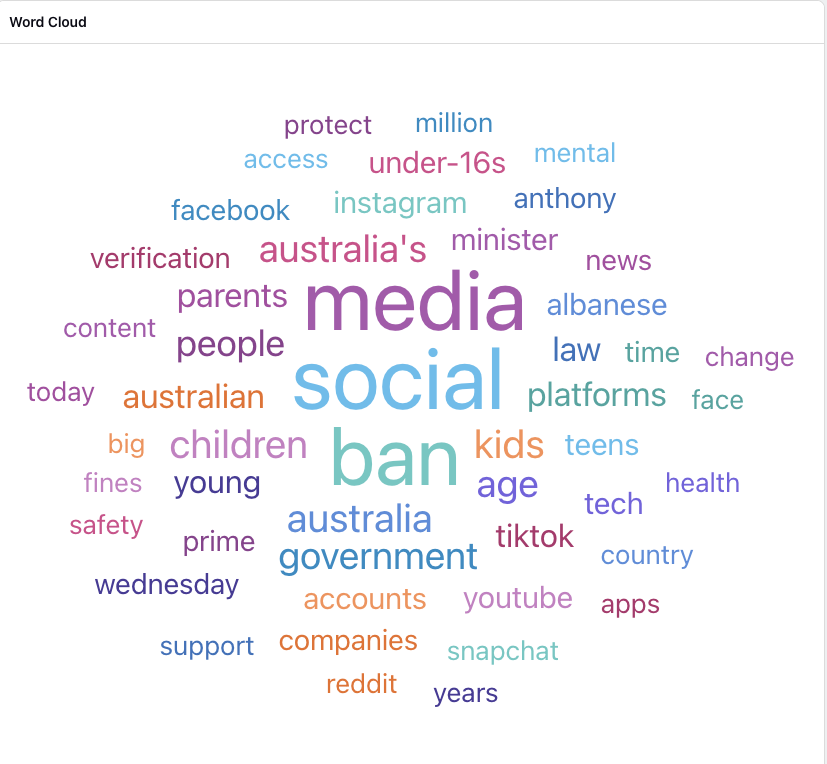
Criticism during high-attention rollouts is expected. The operational value lies in separating general contestation from practical signals. During the first days, recurring questions were consistent and specific:
What happens to existing accounts?
Are parents penalised?
How does age verification work in practice?
What counts as an exception?
These are not outright policy objections. They are implementation questions. Left unanswered, they can drive inconsistent compliance and erode trust.
Post-Launch: From Reaction to Lived Experience
In the weeks following commencement, discussion shifted away from first-day reactions towards lived experience.
Three core themes became entrenched within the public discourse:
how young people adapted their behaviour,
whether enforcement was consistent across platforms,
how the ban fit within broader conversations about online safety and wellbeing.
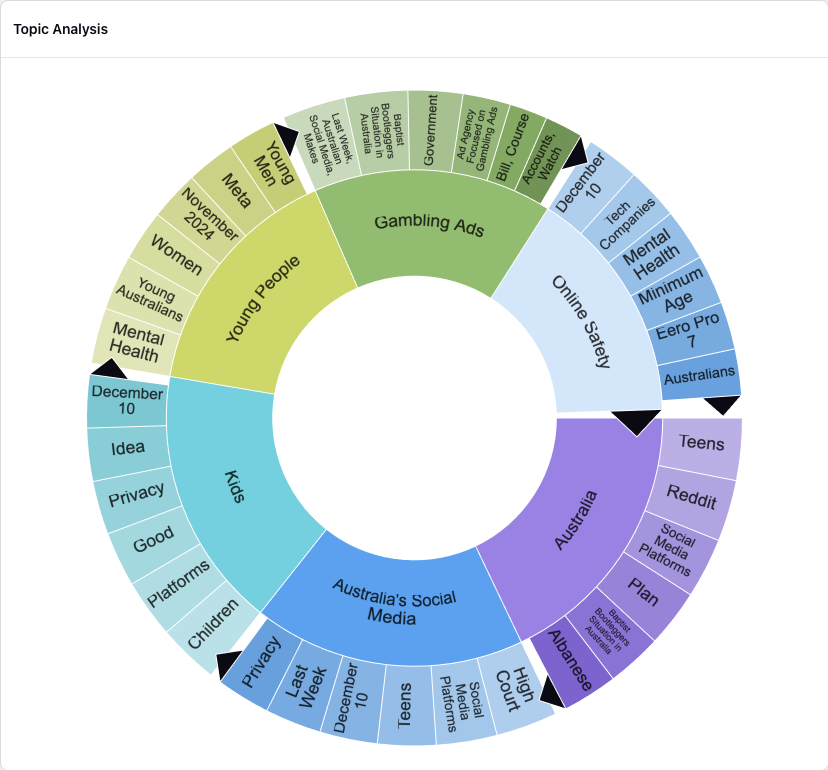
While overall volume declined, the persistence of these themes suggested the issues had not resolved. They had matured. This is the stage where Voice of Citizen becomes most useful for refinement rather than justification.
Feedback at this point can inform clearer guidance, identify uneven impacts across cohorts and highlight where additional support or clarification is required.
The real risk sits in the gap between intent and interpretation
That gap becomes visible only when implementation begins. Questions about enforcement, verification, exemptions and responsibility don’t surface neatly through surveys or post-hoc reviews. They surface in real time, in public forums, as people test the boundaries of the rules or look for workarounds.
This is where Voice of Citizen functions less as a measure of satisfaction and trust, and more as an early warning layer. Patterns of confusion, frustration or reinterpretation signal where guidance is unclear, where operational assumptions don’t hold, or where reputational risk may escalate if left unaddressed.
Treating VOC as a continuous input rather than a retrospective check allows policy teams to respond while outcomes are still malleable. Clarifications can be issued, messaging adjusted and implementation practices refined before misunderstanding hardens into non-compliance or loss of trust.
In high-attention reforms, the question is no longer whether feedback exists. It’s whether institutions can see it early enough, connect it across channels and act on it while it still changes outcomes rather than explaining them after the fact.
Want to learn more about the role of VOC in policy? Get in touch.